The invention of hurry: A short history of our need for speed
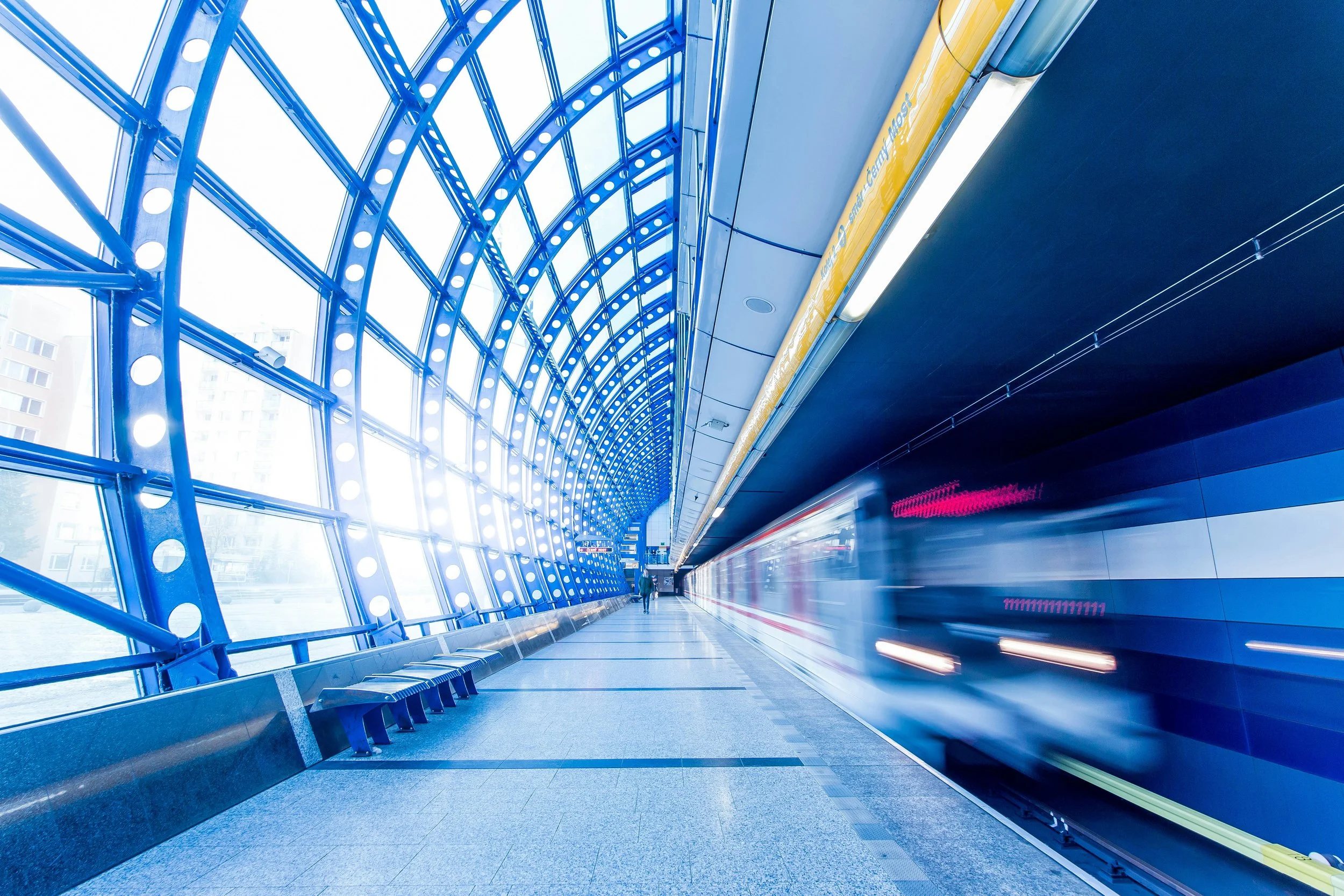
Photo by JESHOOTS.COM on Unsplash
Our “need for speed” is newer than it feels. For most of human history, life moved at the pace of seasons, bodies, and animals; only in the last few centuries did speed become a requirement, an expectation, and eventually an identity.
Before speed: when time was cyclical
In pre‑industrial societies, people organized life by tasks and natural rhythms, not by the clock. You worked until the harvest was in, the sun went down, or the animals were fed - not until a number on a dial told you to stop. Time was felt as cyclical: seasons repeated, traditions returned, and social change was so slow it often took several generations to notice.
There were certainly moments of urgency - storms, wars, shortages - but faster was not yet a core moral value. Most people did not imagine that speeding everything up would fundamentally improve their lives; surviving and sustaining were the primary concerns.
The 18th century: when speed became stability
Sociologist Hartmut Rosa argues that something pivotal shifted in the 18th century. Western societies began to stabilize themselves not through continuity and repetition, but through growth and acceleration. Instead of staying the same to remain stable, a society now had to grow its economy, innovate technologically, and constantly refresh culture just to avoid falling behind.
This new need for speed shows up even before modern machines. People were already trying to move faster - changing horses more often on long journeys, tightening schedules, pushing production - before steam engines and railways arrived. Technology didn’t create the hunger for speed so much as answer it.
From this point on, acceleration becomes baked into the logic of society: if things don’t speed up - markets, innovation, productivity - jobs, status, and national power feel at risk.
Industrial Revolution: the clock, the factory, and discipline
The Industrial Revolution turned speed from an idea into a daily discipline.
Factories demanded:
Synchronization: workers, machines, and materials had to be in place at exact times, not just when ready.
Precision timekeeping: clocks shifted from rare tools to everyday controllers of life, so that time was not passed but spent.
New habits of obedience: factory discipline taught people to show up on time, work to the bell, and keep pace with machines.
Railways intensified this shift. Coordinating trains across long distances required standardized, accurate time - so timetables and time zones emerged, tightening the link between speed, efficiency, and modern life.
Suddenly, being slow wasn’t just a personal quirk; it could cost wages, opportunities, or safety. Speed became tied to virtue: a good worker moved quickly and predictably.
19th - 20th centuries: speed as progress
By the 19th and 20th centuries, speed had been rebranded as progress. Faster transport (railroads, steamships, cars, planes) and faster communication (telegraph, telephone, radio) shrank the world, changing how people perceived space and time.
New narratives took hold:
History itself was imagined as accelerating: each generation expected more change, more quickly, than the last.
Parents began to assume their children should have a better life through growth, technology, and speed.
Political and economic ideologies (from capitalism to some revolutionary movements) leaned on the promise that speeding up production and innovation would solve scarcity and inequality.
Speed became almost sacred - a central ingredient in the story of modernity. To resist speed started to look like resisting progress itself.
Late 20th century to now: social acceleration everywhere
Rosa describes three intertwined accelerations: technology, the pace of life, and social change.
Technological acceleration: computers, the internet, smartphones, and now AI compress tasks that once took hours or days into seconds.
Pace of life: workdays, communication, and even leisure are filled with more units of activity, leaving people feeling chronically rushed.
Acceleration of social change: fashions, jobs, relationships, and norms all shift so quickly that what feels normal today can feel outdated within a few years.
We move faster just to stay in place. Emails, feeds, and notifications create what feels like a permanent catching up state; if you stop moving, you fear you’ll fall behind. In Rosa’s terms, acceleration has become necessary just to maintain social stability, not to transform it.
High-speed communication and global markets now shape even our inner lives. The pressure to respond instantly, optimize productivity, and keep up with every change pulls our nervous systems into a constant low grade sprint.
The cost of our need for speed
The same speed that shrinks distances and opens opportunities also produces:
Alienation: people feel disconnected from their own actions and from others because everything changes too quickly to integrate.
Burnout and stress: the gap between what we can humanly process and the pace of demands keeps widening.
A shrinking present: when the future comes at you too fast and the past becomes obsolete quickly, the “now” feels thin, jittery, and expendable.
Rosa suggests that unless we find ways to step out of this acceleration loop, we will eventually be forced to slow down by ecological or social crises. In other words, the system won’t decelerate on its own.
Remembering that speed is a choice, not a law of nature
It’s easy to feel like our need for speed is just how the world is. History tells a different story: it’s how the world was built, over time, through specific decisions, technologies, and beliefs about progress.
Knowing this matters because it quietly opens a door: if the need for speed was constructed, parts of it can be questioned, softened, or reimagined. We can design pockets of life that move at human pace, not machine pace. We can choose depth over constant refresh, presence over perpetual acceleration.
The story of speed is powerful, but it is not the only story available. Every time you let something be slow - your morning, your conversation, your growth - you are living as if another history is possible.
Sources / Resources
Los Angeles Review of Books: “Social Acceleration and the Need for Speed”
Journal of the History of Ideas Blog: “On Hartmut Rosa and the acceleration of social change in modernity”
Pennsylvania State University Press: “High-Speed Society: Social Acceleration, Power, and Modernity”
Watches by SJX: “Time Consciousness and Discipline in the Industrial Revolution”
SoBrief: “Social Acceleration | Summary, Quotes, FAQ, Audio”
The Unbearable Speed of Being: “Acceleration of Modern Society and Mental Chaos”
Anarchist Library: “Accelerationism and the Need for Speed: Partisan Notes on Civil War”