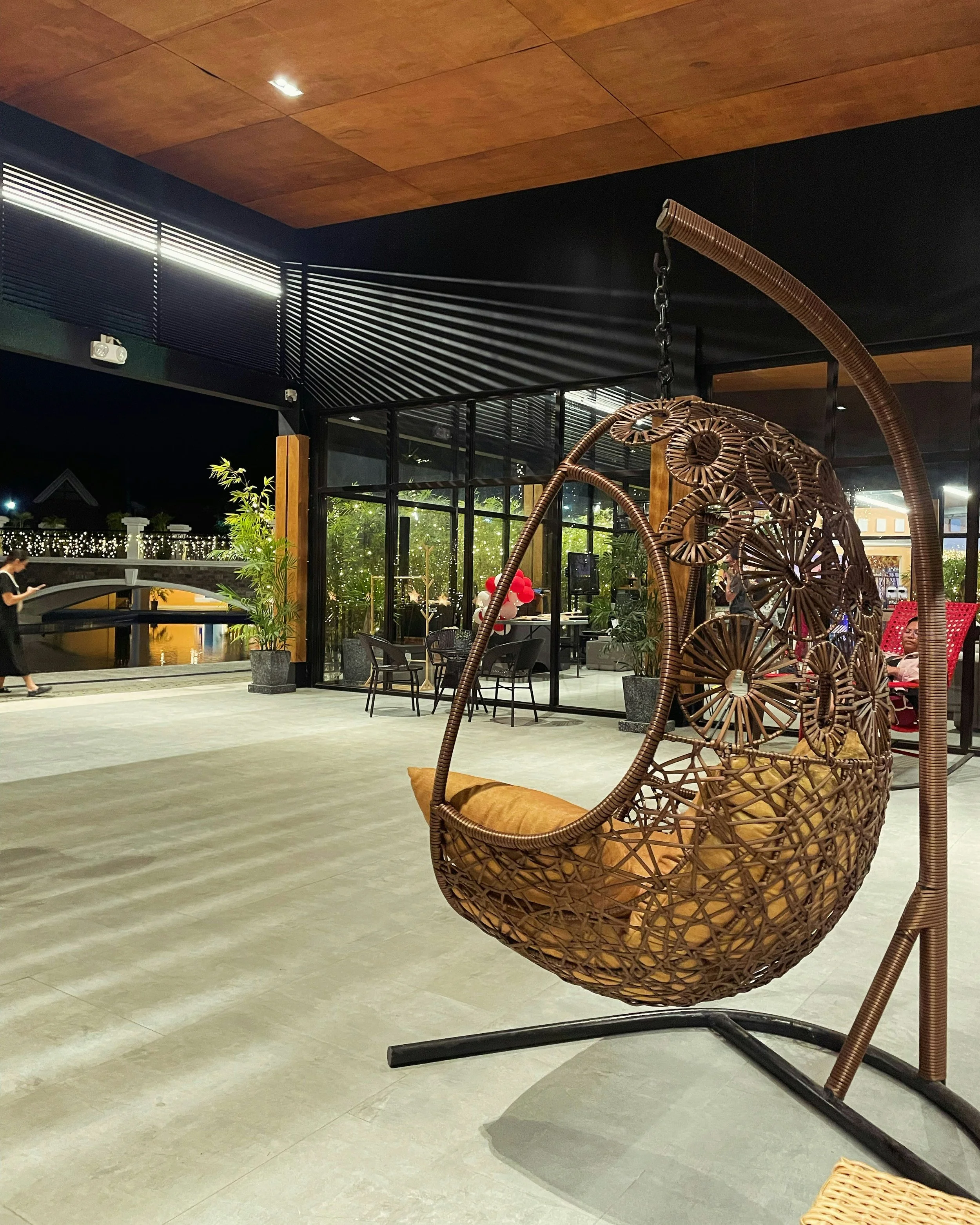
Photo by Ruel Del Jamorol from Unsplash
Rest is often framed as a reward you earn after you have done enough - worked enough, cared enough, produced enough. In a culture that treats relentless output as normal, choosing to pause without justifying it becomes quietly radical. It is a way of saying: ‘My worth is not measured only in what I can produce.’
What happened
Notice how often the day fills itself.
The alarm goes off and the first instinct is to check what has already arrived: messages, headlines, expectations. The morning slips into tasks, the afternoon into obligations, and every gap in between becomes a place to ‘catch up.’ Even tiny pauses - waiting for the kettle, sitting in the car, standing in line - get filled with scrolling, planning, or worrying. The body rarely gets to be in neutral.
When the idea of a pause appears - a moment to sit, stare out a window, lie down, or simply do nothing - the mind often resists. It calls rest lazy, indulgent, or unproductive. There is a reflexive search for permission: Has enough been done? Is there proof that this break is allowed? The pause becomes something to be defended instead of something that belongs to you by default.
How I slowed it down
Named rest as a need, not a luxury: just as real and non‑negotiable as food or water.
Started with very small pauses - two to five minutes - so they felt possible: sitting on the edge of the bed, standing at a window, letting lunch be quiet.
Practiced pausing before complete exhaustion: taking a brief break while there was still some energy left, rather than only when everything collapsed.
Removed the requirement to ‘earn’ every rest: sometimes pausing even when the to do list was not finished.
Let pauses be truly empty - no phone, no self‑improvement, no multitasking - so the nervous system could actually downshift.
What this space is teaching me
Home reveals how radical rest really is.
A chair is designed for sitting, yet it can go days without being used for anything but work, scrolling, or eating in a rush. A bed is meant for sleep, yet it can become a mobile office or a late night command center. The softest spaces in the house often carry the hardest expectations.
When you assign certain corners of your home as ‘pause zones’—a chair by a window, a spot on the couch, a piece of floor with a cushion - you begin to give rest a physical place in your life. Sitting there for a few minutes without a task challenges a deep cultural script: that your value is tied to constant motion. Each pause becomes a quiet refusal to participate fully in that script.
Rest is radical because it interrupts momentum. It creates room for questions that endless doing keeps at bay: Is this pace sustainable? Do these commitments align with what matters? What does my body actually feel like right now? Those questions can be uncomfortable, which is one reason the culture (our employers) keeps us busy. But they are also where agency returns.
Rest is also radical in its gentleness. It says: instead of overriding tiredness with caffeine, instead of drowning anxiety in noise, you can allow yourself to stop. Not forever, not as an escape from life, but as a way to meet life from a more whole, less depleted place.
Giving yourself permission
Permission to pause rarely arrives from the outside. It is something you practice granting yourself.
You do not need to be empty to rest; you can pause even when there is more you could do.
You do not need a perfect environment; one deep breath by the sink or three minutes on the floor can still count.
You do not need a reason that would convince anyone else; ‘because I am a human body’ is enough.
Each time you choose to pause, you send a message inward: ‘I am worth tending, not just using.’ Over time, those messages add up. The nervous system begins to trust that you will not drive it relentlessly without relief. The home begins to feel like a sanctuary, not just a charging station between rounds of effort.
Try this in your space
Today, give yourself one deliberate, unjustified pause.
Choose a spot: a chair, a corner of the couch, the edge of your bed, a place at the table.
Sit or lie there for two to five minutes. No phone, no reading, no planning. Just breathing, noticing your body, and letting your gaze rest on something simple.
When the urge to get up and ‘be productive’ appears, notice it, but do not obey it immediately. Stay a little longer than feels comfortable.
When you rise, do so gently, as if you are bringing a slightly softer version of yourself back into the rest of the day.
Treat this not as a one time treat, but as practice - the ongoing, radical act of granting yourself permission to pause in a world that is constantly asking you to move faster.