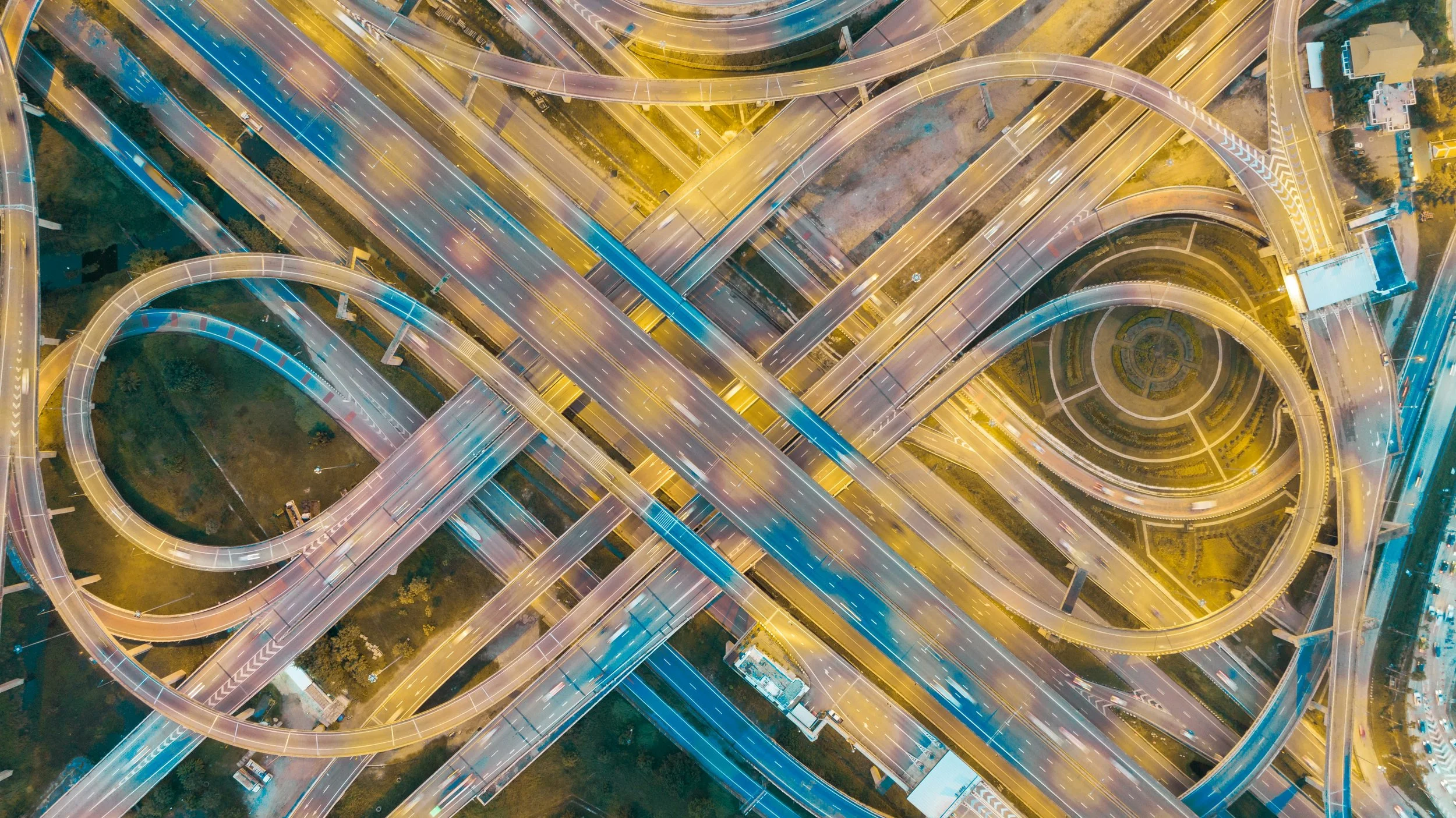
Photo by Getty Images from Unsplash
Speed is sold as an upgrade: faster responses, faster deliveries, faster progress. Yet beneath the surface, constant rushing quietly drains focus, joy, and any real sense of being in our own lives. The price rarely shows up on a receipt, but it shows up in our bodies, our homes, and our relationships.
What happened
Rushing slips into the day in ways that almost look harmless.
The morning becomes a chain of compressed actions: checking messages before getting out of bed, half listening to the kettle while skimming headlines, brushing teeth with one hand and scrolling with the other. None of these moments are catastrophic, but together they create a baseline of urgency, as if the day is already behind before it begins.
Later, work hours fragment under the illusion of productivity. A document is drafted with three other tabs open; a call is taken while answering quick messages; lunch is squeezed into the narrow space between tasks and eaten as fast as possible. By evening, even rest is rushed: binge watching while replying to late texts, catching up on news, doing one last round of chores before collapsing into bed. The clock may show a full day, but internally it feels unfinished and thin.
What we lose when we rush
Rushing carries hidden costs that don’t show up in the moment, but accumulate over time.
Depth of focus: When attention is constantly split, work stays at the surface. Tasks get done, but rarely with the depth or clarity that true focus brings. Ideas feel scattered, and it’s harder to enter that satisfying, immersive flow where time passes without strain.
Sensory presence: The details that root us in a moment - taste, texture, light, sound - are the first casualties of speed. Meals blur into fuel, walks become corridors between obligations, home turns into a backdrop instead of a place you actually inhabit. The memory of the day becomes a list, not an experience.
Nervous system rest: Rushing keeps the body in a quiet state of alert, even when nothing is physically wrong. Heart rate stays a little higher, breathing stays a little shallower, sleep arrives later and feels less restorative. Over time, this low grade, on edge becomes so normal that true rest feels unfamiliar or even uncomfortable.
Space for meaning: Speed leaves little room for reflection: no pauses to ask, ‘Do I actually want this?’ or ‘Is this enough?’ Without those small check‑ins, life tilts toward autopilot. Achievements stack up without a corresponding sense of alignment or satisfaction. It becomes harder to tell if you’re moving quickly in a direction you chose, or simply being carried by momentum.
What this space is teaching me
Home is often where the hidden costs of speed show up most clearly.
The kitchen reveals how rushing steals nourishment: eating over the sink, standing at the counter, or scrolling through a feed while chewing turns a potentially grounding ritual into another box to tick. The desk shows how speed frays focus: piles, open tabs, and constant context switching echo in the scattered way thoughts move. The hallway at night - lights flipped off quickly, steps hurried toward bed - exposes how even rest has been placed at the end of a race.
When the pace in these spaces is softened, even slightly, the contrast is striking. A slowly made drink, a five‑minute tidy done without multitasking, a walk to bed at half speed: none of these take much more clock time, yet they create the sense that the day has edges again. The home starts acting like a counterweight to the culture of acceleration - a place where the nervous system learns that not every moment has to move at maximum speed.
At the core is a simple, uncomfortable truth: speed is not neutral. It shapes what we notice, how we feel, and what we remember. The hidden cost of rushing is not only exhaustion; it is the quiet erosion of the very things that make a life feel rich - attention, presence, and the ability to sense when something is truly enough.
Try this in your space
Today, treat your home as an experiment in noticing the cost of speed.
Pick one everyday activity: making a meal, taking a shower, or getting ready for bed.
First, do it the way you normally do - at your usual pace, with your usual distractions. Notice how your body feels at the end: breath, shoulders, mind.
Later, repeat the same activity with one rule: no rushing and no multitasking. Move at a calm, deliberate pace; let each small action finish before starting the next.
Compare the two experiences, not by how long they took, but by how you felt inside them and afterward.
The goal is not to eliminate speed everywhere; it is to see it clearly, so you can reserve your fastest self for the moments that truly need it - and let the rest of your life breathe.