✦ What returning to the office (RTO) actually does to a neurodivergent woman: 049
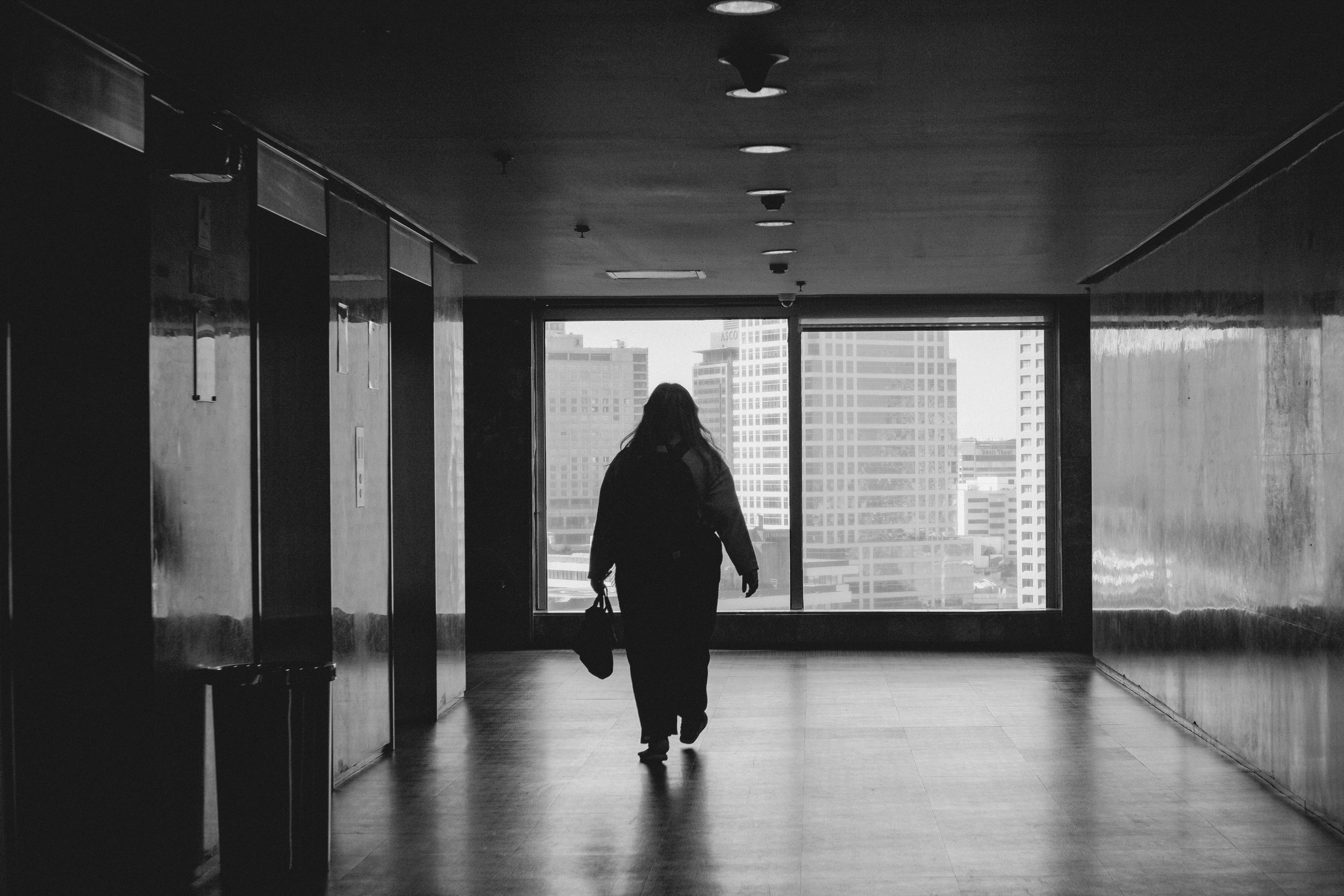
Photo by Joyce Romero on Unsplash
There’s a version of the return to office (RTO) conversation that sounds reasonable. Collaboration. Culture. Connection. The language is tidy, corporate, aspirational. It talks about energy and synergy and the magic that happens when people are in the same room.
It doesn’t talk about you
It doesn’t talk about what happens to a woman who spent the pandemic years finally learning how her brain works. Who built, for the first time in her adult life, an environment that didn’t cost her everything just to get through a Tuesday. Who stopped dreading mornings. Who started producing her best work in silence, in dim light, in clothes that didn’t scratch, at hours that made sense to her nervous system.
It doesn’t talk about what it means to have that taken away by a memo.
The Commute Isn’t Just a Commute
For a neurotypical person, a commute is inconvenient. For a neurodivergent woman, a commute is a gauntlet she runs before the workday even begins.
Fluorescent platforms. Unpredictable noise. Bodies too close. The sensory assault of a train or car in rush hour. By the time she sits down at her desk, she has already spent the cognitive and nervous system resources that were supposed to carry her through eight hours of work.
She arrives depleted. She performs fine. She always performs fine.
That’s the thing about high masking neurodivergent women - the cost is invisible. The output looks the same. The invoice comes later, at home, in the form of shutdown, meltdown, or a kind of bone deep silence that her family mistakes for mood.
Open Plan Offices Were Never Designed for Her
The open office was designed to signal collaboration. What it actually does is create a sensory environment that is almost unusable for a significant portion of the brains inside it.
Every conversation she isn’t part of is still registered by her brain. Every chair scraping. Every notification sound from someone else’s desk. Every shift in lighting as clouds move past the window. Every perfume, every cough, every ‘the meeting ran late’ energy radiating off the people around her.
She’s not distracted. She’s processing all of it, simultaneously, at full volume, with no way to turn it down.
And then someone asks her why she seems tired.
Masking Is a FT Job on Top of Her FT Job
At home she didn’t have to perform being okay. At home she could stim quietly, take a ten-minute reset on the floor, eat lunch at 11am without comment, mute notifications for forty minutes without someone stopping by to check in.
Back in the office, all of that goes underground. She relearns how to sit still in the particular way that reads as engaged. She monitors her facial expressions. She modulates her voice. She catches herself before the honest answer comes out and replaces it with the acceptable one.
This is masking. It is exhausting in a way that doesn’t show up on any wellness survey.
By Wednesday she is running on the fumes of the woman she’s pretending to be.
She Was Already Doing This Before She Knew What It Was
Here’s what makes it worse for women who came to their diagnosis late.
She didn’t learn to mask in response to a diagnosis. She learned to mask in childhood, before she had language for what was different about her. She learned it so thoroughly that by the time anyone thought to look, there was nothing to see. She’d already hidden it all.
The pandemic didn’t give her accommodations she didn’t deserve. It gave her, for the first time, an environment that matched the inside of her head. An environment where she didn’t have to spend all day pretending.
And now that’s over.
And nobody, not her manager, not HR, not the RTO policy is naming what’s being asked of her. Nobody is calling it what it is: a mandate to resume a performance that was quietly destroying her.
The Grief Nobody Acknowledges
She won’t say she’s struggling. She knows how that lands. She’s learned the hard way that I need a quieter environment translates in most workplaces to she’s not a team player. That sensory overload is real gets filed under she’s difficult.
So she adapts. She moves her desk near the window. She invests in noise-cancelling headphones. She books the small meeting room for focus work and hopes no one notices. She stays later to make up for the hours lost to managing her own nervous system in a space that was never built for it.
She makes it work. She always makes it work.
And she goes home and sits in a quiet room and doesn’t speak to anyone for an hour and calls it recharging, because that’s a more acceptable word than recovering from existing in your world all day.
What This Conversation Actually Needs
The RTO debate is loud. But it’s a conversation about productivity, about real estate costs, about what leaders believe about how work gets done. It is almost never a conversation about what it costs a neurodivergent woman to walk back into an environment that demands she be someone else.
She doesn’t need a sympathy card. She needs the conversation to be honest.
She needs workplaces to understand that flexibility wasn’t a perk she got used to. It was, for many women, a rare glimpse of what sustainable work could look like. That forcing her back into an open plan office on five days a week isn’t a culture strategy. It’s an extraction.
She needs someone to say: we see what we’re asking. We know it’s not free.
And she needs, more than anything, to stop being asked to absorb the cost in silence and call it professionalism.
If this hit something real in you, you’re not alone in it. This is the conversation StarCozi exists to have.
StarCozi is a slow living content studio for women with big inner worlds and tender nervous systems. Founded by Robin E. S. Carter, PhD - narrative archaeologist, late diagnosed neurodivergent woman, and unapologetic advocate for Depth Over Speed.
Explore the StarCozi glossary.